
Ground Fault Circuit Interrupter (GFCI) outlets are critical safety devices that protect your home and family from electrical shocks and potential electrocution. At Photo Electric LLC, we recommend GFCI outlet testing at least once per month to ensure these protective devices function properly. Regular GFCI outlet testing is one of the most important electrical safety tips homeowners in Salem and the greater Salem area can follow. Monthly testing takes less than a minute but can prevent serious injury or death by ensuring your GFCI outlets will trip when they detect dangerous ground faults or current imbalances.
What Is a GFCI Outlet and How Does It Work?
Understanding the function of GFCI outlets helps homeowners appreciate why GFCI outlet testing is so important. These outlets continuously monitor electrical current to protect against dangerous situations.
- Ground fault protection: GFCI outlets detect imbalances between the hot and neutral wires, typically as small as 4-6 milliamps, and shut off power within a fraction of a second to prevent electrical shock.
- Built-in circuit monitoring: The device constantly compares the amount of current flowing to an appliance with the amount returning through the circuit, tripping immediately when it detects a difference.
- Test and reset buttons: Every GFCI outlet features two buttons—a test button that simulates a ground fault to verify proper operation, and a reset button that restores power after the outlet has tripped.
- Required locations: Building codes mandate GFCI protection in areas where water and electricity may come into contact, including bathrooms, kitchens, garages, basements, outdoor outlets, and laundry rooms.
- Downstream protection: A single GFCI outlet can protect additional standard outlets on the same circuit that are installed downstream from it, providing comprehensive safety coverage.
GFCI outlet testing ensures these life-saving devices remain functional and responsive. At Photo Electric LLC, we’ve seen how proper GFCI protection has prevented countless potential accidents in Salem-area homes.
Importance of Regular Testing for Electrical Safety
GFCI outlet testing should be a routine part of your home maintenance schedule. Regular testing identifies problems before they compromise your family’s safety.
- Device degradation: Like all mechanical devices, GFCI outlets can wear out over time due to repeated use, power surges, or internal component failure, making regular GFCI outlet testing essential for confirming continued protection.
- Manufacturing defects: Some GFCI outlets may have defects that only become apparent through consistent testing, and monthly verification helps identify faulty units before someone depends on them during an emergency.
- Environmental factors: Moisture, dust, temperature fluctuations, and other environmental conditions common in Salem can affect GFCI performance, which is why these electrical safety tips emphasize testing in all weather conditions.
- False sense of security: A non-functioning GFCI outlet looks identical to a working one, and without regular GFCI outlet testing, homeowners may assume they’re protected when they’re actually at risk.
- Liability concerns: Property owners have a responsibility to maintain safe electrical systems, and documented GFCI outlet testing demonstrates due diligence in protecting occupants and visitors.
- Cost-effective prevention: Monthly testing costs nothing but a few minutes of your time, while the consequences of a failed GFCI outlet—including injury, property damage, or worse—can be devastating.
Following these electrical safety tips and maintaining a consistent GFCI outlet testing schedule is one of the simplest ways to protect your household. Photo Electric LLC encourages all Salem-area residents to make this a monthly habit.
Recommended Testing Frequency for GFCI Outlets
Different situations call for different GFCI outlet testing schedules. We provide clear guidelines to help homeowners maintain optimal protection.
- Monthly home testing: The Consumer Product Safety Commission and National Electrical Code recommend GFCI outlet testing at least once per month for residential properties to catch failures early.
- High-use areas: Outlets in frequently used locations like kitchen countertops or bathroom vanities benefit from more frequent GFCI outlet testing—consider testing these every two weeks.
- Outdoor outlets: Exposure to weather, moisture, and temperature extremes means outdoor GFCI outlets should undergo testing monthly during mild weather and after any severe storms or extreme temperature changes.
- After power outages: Following any electrical storm, power surge, or extended outage, perform immediate GFCI outlet testing to verify that the protective mechanisms weren’t damaged by the electrical event.
- Seasonal considerations: Before summer pool season or winter holiday lighting, conduct thorough GFCI outlet testing on all outdoor and garage outlets that will see increased use.
- New home purchases: When moving into a new home in the Salem area, Photo Electric LLC recommends comprehensive GFCI outlet testing of every outlet to establish a baseline and identify any existing issues.
- Annual professional inspection: While monthly homeowner testing is crucial, scheduling an annual electrical safety inspection with Photo Electric LLC provides comprehensive verification that goes beyond basic GFCI outlet testing.
Consistent GFCI outlet testing according to these guidelines ensures your electrical system maintains maximum safety. These electrical safety tips have protected countless families throughout Salem and surrounding communities.
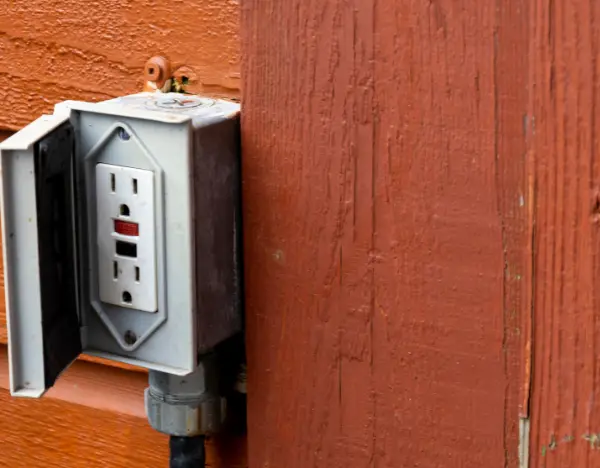
Signs Your GFCI Outlet Needs Immediate Attention
Between regular GFCI outlet testing sessions, certain warning signs indicate professional attention is needed. Recognizing these symptoms can prevent dangerous situations.
- Won’t reset: If your GFCI outlet trips and the reset button won’t stay in or immediately pops back out during GFCI outlet testing, the outlet has likely failed and needs replacement.
- Fails the test: When pressing the test button doesn’t cause the outlet to trip and cut power during GFCI outlet testing, the protective mechanism is not working, and the outlet provides no safety protection.
- Frequent nuisance tripping: While tripping indicates the GFCI is working, outlets that trip repeatedly without apparent cause during normal use may have sensitivity issues or detect actual wiring problems.
- Physical damage: Cracks, burns, discoloration, or melting on the outlet face indicate serious problems that go beyond normal GFCI outlet testing and require immediate professional evaluation.
- Buzzing or crackling sounds: Any unusual noises coming from a GFCI outlet, especially during GFCI outlet testing or normal operation, suggest internal component failure or loose connections.
- Age concerns: GFCI outlets manufactured before 2006 lack important safety features found in modern devices, and outlets over 10-15 years old should be replaced regardless of GFCI outlet testing results.
- Warm to the touch: GFCI outlets should remain cool during operation—excessive heat indicates electrical resistance problems that pose fire risks beyond what GFCI outlet testing can detect.
If you notice any of these issues during your GFCI outlet testing routine, contact Photo Electric LLC immediately. These electrical safety tips can help identify problems, but professional assessment ensures your Salem home remains safe.
Hiring a Professional vs. DIY GFCI Maintenance
While monthly GFCI outlet testing is appropriate for homeowners, certain situations require professional electrical services. Understanding when to call Photo Electric LLC protects your safety and your home.
- DIY testing advantages: Monthly GFCI outlet testing using the test and reset buttons is safe, quick, and requires no electrical knowledge, making it perfect for homeowner maintenance between professional visits.
- Installation and replacement: Installing new GFCI outlets or replacing failed units involves working with live electrical circuits and should only be performed by licensed electricians to prevent shock hazards and ensure code compliance.
- Troubleshooting failures: When GFCI outlet testing reveals a problem, determining whether the issue is with the outlet itself, the circuit wiring, or connected appliances requires professional diagnostic equipment and training.
- Whole-house assessment: While homeowners can perform GFCI outlet testing on individual outlets, comprehensive electrical safety inspections that evaluate your entire system require professional service from Photo Electric LLC.
- Code compliance verification: Electrical codes evolve over time, and professionals can identify locations in your Salem home that now require GFCI protection under current regulations but weren’t required when the home was built.
- Circuit mapping: Understanding which outlets are protected by which GFCI devices requires circuit tracing that goes beyond simple GFCI outlet testing and benefits from professional knowledge.
- Peace of mind: Annual professional inspections complement your monthly GFCI outlet testing routine and provide confidence that your electrical system meets current safety standards.
Following electrical safety tips like regular GFCI outlet testing protects your family, but partnering with Photo Electric LLC for professional service ensures comprehensive protection for your Salem-area home.
Contact Photo Electric LLC Today
Your family’s electrical safety is too important to leave to chance. While regular GFCI outlet testing is something you can do yourself, Photo Electric LLC is here to help with installations, replacements, troubleshooting, and comprehensive electrical inspections. Serving Salem and the greater Salem area, we’re committed to keeping your home safe and your electrical systems functioning properly. Don’t wait until an emergency—schedule your electrical safety inspection today and ensure your GFCI protection is working when you need it most.
GFCI Outlet Testing FAQs
Can GFCI outlets wear out even if they pass monthly testing?
Yes, GFCI outlets can degrade over time despite passing routine GFCI outlet testing. Internal components may weaken gradually, and while the device might still trip during testing, it may not respond quickly enough during an actual ground fault emergency. This is why Photo Electric LLC recommends replacing GFCI outlets every 10-15 years regardless of testing results, and why annual professional inspections complement your monthly GFCI outlet testing routine.
What should I do if my GFCI outlet keeps tripping but passes the test button check?
Frequent tripping during normal use, even when GFCI outlet testing with the test button works properly, usually indicates either a genuine ground fault in an appliance or moisture infiltration in the outlet. Unplug all devices and perform GFCI outlet testing—if it trips without anything connected, moisture or wiring issues are likely. If it only trips with certain appliances, those devices may have internal ground faults and should be serviced or replaced.
Do I need to test GFCI outlets that I rarely use?
Absolutely—infrequently used GFCI outlets need the same monthly GFCI outlet testing schedule as high-use outlets. The protective mechanisms can fail from age and environmental factors even without regular use, and you want these outlets working properly if you ever need them. This is particularly important for seasonal outlets like those used for holiday decorations or occasional outdoor equipment, which must be reliable when called upon.
How do I know if my home has enough GFCI protection?
Current electrical codes require GFCI protection in bathrooms, kitchens (countertop outlets), garages, basements, crawlspaces, unfinished areas, outdoor outlets, laundry areas, and within six feet of sinks. Many older Salem homes were built before these requirements expanded and may only have GFCI protection in bathrooms. Photo Electric LLC can evaluate your home during an electrical safety inspection to identify areas that would benefit from additional GFCI outlets, going beyond basic GFCI outlet testing to ensure comprehensive protection.
Can I install a GFCI outlet myself to save money?
While monthly GFCI outlet testing is a safe DIY task, installation and replacement should be left to licensed electricians. Working inside electrical boxes involves exposure to live circuits that can cause serious injury or death, and improper installation can create fire hazards or leave you without proper protection. Oregon electrical codes also have specific requirements for GFCI installation that must be followed for safety and legal compliance.
What’s the difference between GFCI outlets and GFCI breakers?
GFCI outlets are installed at individual outlet locations and protect everything plugged into that outlet plus any downstream outlets on the same circuit. GFCI breakers are installed in your main electrical panel and protect entire circuits. Both require monthly testing—GFCI outlet testing uses the test button on the outlet face, while GFCI breakers have a test button on the breaker itself. Photo Electric LLC can help determine which solution best fits your Salem home’s needs.
Why do my outdoor GFCI outlets trip more often than indoor ones?
Outdoor GFCI outlets face harsher conditions including moisture, temperature extremes, dust, and corrosion, all of which can trigger tripping or affect performance. This doesn’t necessarily indicate a problem—the outlet may be detecting actual ground faults caused by moisture in connected devices or the outlet box itself. However, if outdoor outlets trip during GFCI outlet testing or frequently during dry weather, they may need professional evaluation or replacement to ensure reliable protection.
Should I test GFCI outlets before or after using power tools?
Best practice is to perform GFCI outlet testing before using power tools, particularly in outdoor or damp locations. This quick verification confirms your protection is active before you begin work. If a GFCI outlet fails during testing, you’ll know to use a different outlet or have Photo Electric LLC address the problem before you put yourself at risk using electrical equipment in potentially hazardous conditions.
How long do GFCI outlets typically last?
GFCI outlets typically last 10-15 years under normal conditions, though this can vary based on usage frequency, environmental factors, and power quality. Even with perfect monthly GFCI outlet testing results, Photo Electric LLC recommends replacing GFCI outlets that are 15 years old or older. Older units lack safety improvements found in modern GFCI outlets and have higher failure rates. Regular GFCI outlet testing helps identify problems sooner, but age-based replacement provides an important safety backstop.
What happens if I ignore GFCI outlet testing?
Skipping regular GFCI outlet testing means you won’t know if your protection has failed until you need it during an emergency—and by then it’s too late. A non-functioning GFCI outlet provides no protection against electrical shock, leaving you vulnerable in exactly the situations where GFCI protection is most critical. These electrical safety tips exist because consistent GFCI outlet testing is the only way to verify your protection is active and will respond when needed to prevent serious injury or death.