
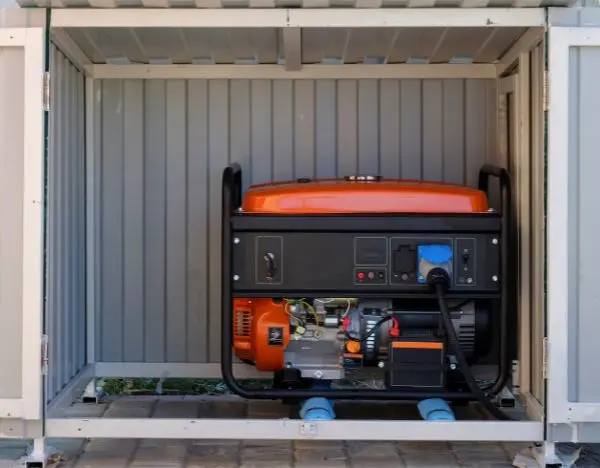
When storm clouds gather over Salem and power lines start coming down, one question dominates every generator owner’s mind: how long can a generator run before it needs to stop? Whether you’re facing a brief afternoon outage or preparing for a multi-day power loss like the extended blackouts during Oregon’s 2021 ice storm, understanding your generator’s runtime capabilities is essential for safe, effective backup power management.
The answer to how long a generator can run depends on several critical factors: the type of generator you own, what fuel it uses, how much load you’re placing on it, and how well you maintain it during operation. At Photo Electric, we’ve helped countless Salem-area homeowners navigate extended outages, and we know that proper generator runtime management can mean the difference between comfortable backup power and equipment failure at the worst possible moment.
In this comprehensive guide, we’ll break down exactly how long different generators can run, what affects their runtime, and how to safely maximize your backup power during those inevitable Willamette Valley storms.
Portable Generators: Runtime Limitations
Portable generators are the most common backup power solution for Salem homeowners, but they have significant runtime limitations compared to standby systems.
Typical Portable Generator Runtime
Most portable generators can run continuously for 8-12 hours on a single tank of gasoline before requiring refueling. However, this varies significantly based on:
- Fuel tank capacity: Ranges from 1-10 gallons depending on generator size
- Load percentage: A generator at 50% capacity runs longer than one at 100%
- Engine efficiency: Newer inverter generators often run longer on less fuel
For example, a typical 7,500-watt portable generator with a 6-gallon tank running at 50% load might operate for 10-11 hours before needing gasoline. That same generator running at full capacity might only last 6-8 hours.
The 24-Hour Rule for Portable Generators
While manufacturers may claim their portable generators can run for extended periods, most experts recommend not running portable generators continuously for more than 24 hours without a cooling break. Here’s why:
Engine stress: Portable generator engines experience significant wear during continuous operation. Heat buildup, oil degradation, and mechanical stress increase dramatically after the first day of runtime.
Cooling requirements: Air-cooled portable generators need periodic shutdowns to prevent overheating. Running them continuously in Salem’s summer heat or during winter when airflow is restricted can cause premature engine failure.
Maintenance windows: Extended runtime requires oil checks, refueling, and visual inspections that can only be safely performed when the unit is off and cooled down.
Best Practice: The Cool-Down Cycle
For portable generators during multi-day Salem outages:
- Run for 8-12 hours (or until fuel runs low)
- Shut down and cool for 30-60 minutes
- Check oil level and add if needed
- Inspect for leaks or damage
- Refuel safely with the engine off and cool
- Restart and continue
This cycle can be repeated throughout an extended outage, but daily inspection and maintenance become increasingly important after the first 48 hours of cumulative runtime.
Standby Generators: Built for Extended Runtime
Whole house standby generators are specifically engineered for long-duration operation and can run significantly longer than portable units.
Standby Generator Runtime Capabilities
A properly installed and maintained standby generator can run continuously for days or even weeks as long as it has fuel supply. Most residential standby generators are rated for:
- Unlimited runtime when connected to natural gas lines
- Several days to weeks when running on propane, depending on tank size
- Continuous operation during the manufacturer’s recommended maintenance interval
During Salem’s 2021 ice storm, when some residents went without grid power for over a week, homes with natural gas standby generators ran continuously for 7-10 days without issue. The limiting factor wasn’t the generator itself but rather the maintenance schedule.
Natural Gas vs. Propane: Runtime Differences
Natural gas generators connected to Salem’s utility gas lines have essentially unlimited runtime. As long as the natural gas supply remains active (which typically continues during electrical outages), your generator can run indefinitely. This makes natural gas the ideal fuel source for extended outages common in the Willamette Valley.
Propane generators are limited by tank capacity:
- 250-gallon propane tank: 3-5 days of continuous runtime for average home
- 500-gallon propane tank: 7-10 days of continuous runtime
- 1,000-gallon propane tank: 2-3 weeks of continuous runtime
These estimates assume typical residential loads. Running your entire home at full capacity will deplete propane faster, while running only essential circuits extends runtime significantly.
Air-Cooled vs. Liquid-Cooled Standby Generators
The cooling system affects how long a generator can run continuously:
Air-cooled generators (typically 7-22kW):
- Recommended for loads under 60% capacity during extended runs
- Some manufacturers suggest weekly maintenance breaks after 7 days
- Generally rated for 150-200 hours between oil changes
Liquid-cooled generators (typically 22kW and above):
- Designed for continuous operation at higher loads
- Better heat dissipation allows for truly unlimited runtime
- Often rated for 500+ hours between oil changes
For Salem homeowners planning to run generators for extended periods during major storms, liquid-cooled models offer superior reliability and require less maintenance intervention during critical outages.
Factors That Affect Generator Runtime
Load Percentage
How long a generator can run safely is directly related to how hard you’re working it:
Light load (25-35% capacity): Maximum runtime capability, minimal stress, best fuel efficiency
Moderate load (50-70% capacity): Optimal efficiency range, sustainable for extended periods, recommended for continuous operation
Heavy load (80-100% capacity): Increased wear, higher fuel consumption, not recommended for continuous multi-day operation
During extended Salem outages, managing your electrical load strategically—turning off non-essential appliances during peak generator runtime—can significantly extend both fuel supply and equipment lifespan.
Ambient Temperature
Oregon’s weather extremes affect generator performance:
Cold weather: Generators may run more efficiently in cool temperatures, but extremely cold conditions (below 20°F) can affect starting and oil viscosity. Salem’s typical winter temperatures (30-45°F) are actually ideal for generator operation.
Hot weather: Summer temperatures above 90°F increase cooling demands and can shorten safe runtime for air-cooled units. Ensure adequate ventilation and shade when possible.
High humidity: Salem’s rainy climate requires weather protection for portable generators. Moisture can affect electronics and fuel systems during extended runtime.
Fuel Quality and Management
How long a generator can run depends heavily on fuel quality:
Gasoline degradation: Gas begins breaking down after 30 days. During extended outages, old fuel can cause performance issues. Always use fuel stabilizer and keep fresh gasoline on hand.
Propane stability: Propane doesn’t degrade over time, making it ideal for emergency preparedness. Tanks can sit full for years and still provide reliable generator runtime when needed.
Natural gas consistency: Municipal natural gas provides consistent quality, eliminating fuel storage concerns entirely.
Maintenance During Extended Runtime
The longer a generator runs, the more critical maintenance becomes:
Oil level checks: Should be performed every 8-12 hours during continuous operation. Low oil can destroy an engine within minutes.
Air filter inspection: Dusty conditions or extended runtime can clog filters, reducing efficiency and potentially damaging the engine.
Visual inspections: Look for leaks, loose connections, or unusual vibrations every 12-24 hours during extended runs.
Coolant levels: For liquid-cooled generators, check coolant during extended operation (though these systems are typically very reliable).
Maximum Runtime Recommendations by Generator Type
Small Portable Generators (1,000-3,000 watts)
Maximum continuous runtime: 6-8 hours Recommended practice: Run in 4-6 hour shifts with cooling breaks Best for: Charging devices, small appliances, short outages
Mid-Size Portable Generators (3,500-7,500 watts)
Maximum continuous runtime: 10-12 hours Recommended practice: 8-10 hour runtime with 30-minute cooling and maintenance breaks Best for: Essential circuits during 1-2 day outages
Large Portable Generators (8,000-10,000+ watts)
Maximum continuous runtime: 12-16 hours Recommended practice: Can sustain 24-hour operation with proper breaks and maintenance Best for: Multi-day outages powering significant household loads
Air-Cooled Standby Generators (7-22kW)
Maximum continuous runtime: 150-200 hours (approximately 1 week) Recommended practice: Continuous operation acceptable with scheduled oil changes Best for: Week-long outages common during Salem ice storms
Liquid-Cooled Standby Generators (22-150kW)
Maximum continuous runtime: 500+ hours (3+ weeks) Recommended practice: Essentially unlimited with proper maintenance schedule Best for: Critical applications, medical needs, extended outages, commercial properties
Safety Considerations During Extended Generator Runtime
Carbon Monoxide Dangers
The longer a generator runs, the more carbon monoxide it produces. Never run portable generators indoors, in garages, or within 20 feet of windows or doors—even during multi-day outages. Salem has experienced carbon monoxide deaths during power outages when residents brought generators too close to living spaces during cold weather.
Refueling Safety
When running generators for extended periods:
- Always turn off the generator before refueling
- Allow cooling time (15-30 minutes) before adding fuel
- Refuel in well-ventilated areas away from ignition sources
- Store extra fuel safely away from living spaces
Electrical Safety
Extended generator runtime increases risks:
- Regular inspection of connection points for heat or looseness
- Proper load distribution to prevent overheating circuits
- Use of appropriate extension cords rated for outdoor use and generator wattage
- Dry conditions for all electrical connections despite Salem’s rainy weather
When Professional Installation Makes the Difference
While portable generators offer flexibility, their runtime limitations become painfully apparent during Salem’s extended outages. Photo Electric regularly receives calls during multi-day blackouts from homeowners struggling with:
- Exhaustion from round-the-clock generator monitoring
- Anxiety about running out of stored gasoline
- Safety concerns about nighttime refueling
- Equipment failure from improper maintenance
A professionally installed standby generator eliminates these concerns entirely. With automatic startup, fuel line connections, and minimal maintenance requirements, standby generators can run for the duration of any Salem-area outage without constant human intervention.
Preparing for Extended Outages in Salem
Given the Willamette Valley’s vulnerability to ice storms, windstorms, and potential wildfire-related shutoffs, Salem homeowners should prepare for extended outages:
For Portable Generator Users:
- Store 20-30 gallons of stabilized gasoline (more for multi-day outage potential)
- Keep extra oil on hand (1-2 quarts per week of expected runtime)
- Have flashlights ready for safe nighttime refueling and maintenance
- Create a load management plan to extend runtime and fuel supply
- Schedule maintenance windows during daylight hours when possible
For Standby Generator Users:
- Schedule annual professional maintenance before storm season
- Verify adequate propane supply (500+ gallons recommended for extended outage preparedness)
- Test your system monthly to ensure reliability when needed
- Keep manufacturer contact information accessible for technical support
Expert Generator Installation and Maintenance in Salem
Understanding how long a generator can run is just one piece of backup power planning. Photo Electric helps Salem-area homeowners choose, install, and maintain generators that match their runtime needs and usage patterns.
Whether you need a portable generator for occasional outages or a standby system for extended backup power during Oregon’s winter storms, our licensed electricians provide:
- Professional load calculations to size generators appropriately for your runtime needs
- Safe installation following Oregon electrical codes and manufacturer specifications
- Automatic transfer switch integration for seamless power transition
- Maintenance services to keep your generator ready for extended operation
- Emergency support during outages when you need expert guidance
Don’t wait until you’re 48 hours into an outage wondering how much longer your generator can safely run. Contact Photo Electric today for a free consultation on backup power solutions designed for Salem’s unique weather challenges.
Photo Electric – Keeping Salem Homes Powered Through Every Storm
Contact us to discuss your generator needs, or visit our website to schedule a consultation. Serving Salem, Keizer, Silverton, and all of Marion County with reliable electrical solutions.