
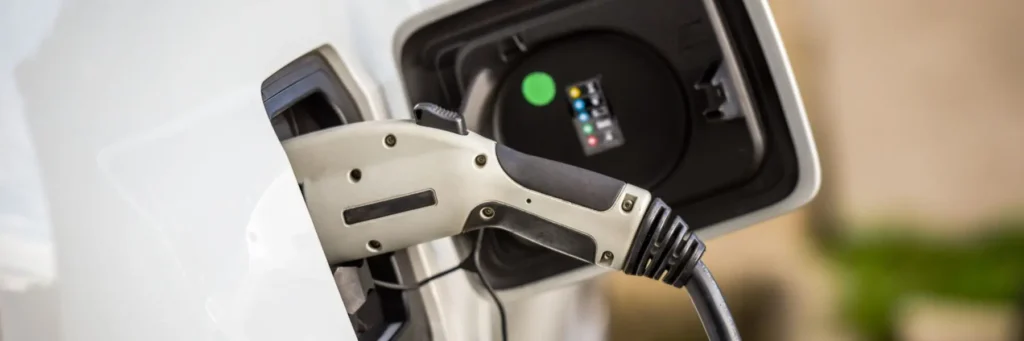
As electric vehicles become increasingly popular across Oregon and the Pacific Northwest, many Salem residents are discovering the convenience and benefits of home charging solutions. Understanding what an EV home charging station entails can help you make informed decisions about transitioning to electric vehicle ownership and creating a seamless charging experience at your residence.
What Exactly is an EV Home Charging Station?
An EV home charging station is a dedicated electrical device installed at your residence to charge electric vehicles safely and efficiently. These charging units, also known as Electric Vehicle Supply Equipment (EVSE), provide a reliable power connection between your home’s electrical system and your electric vehicle’s battery.
Key differences from portable charging cables include:
- Faster charging speeds for overnight battery restoration
- Enhanced safety features and built-in protection systems
- Greater convenience for daily use and long-term reliability
- Professional installation ensuring code compliance
Home charging stations represent a significant upgrade from standard wall outlets, delivering higher power levels that can fully charge most electric vehicles overnight. These units are designed to integrate seamlessly with residential electrical systems while providing the robust charging capabilities that modern electric vehicles require.
What Types of Home Charging Stations Are Available?
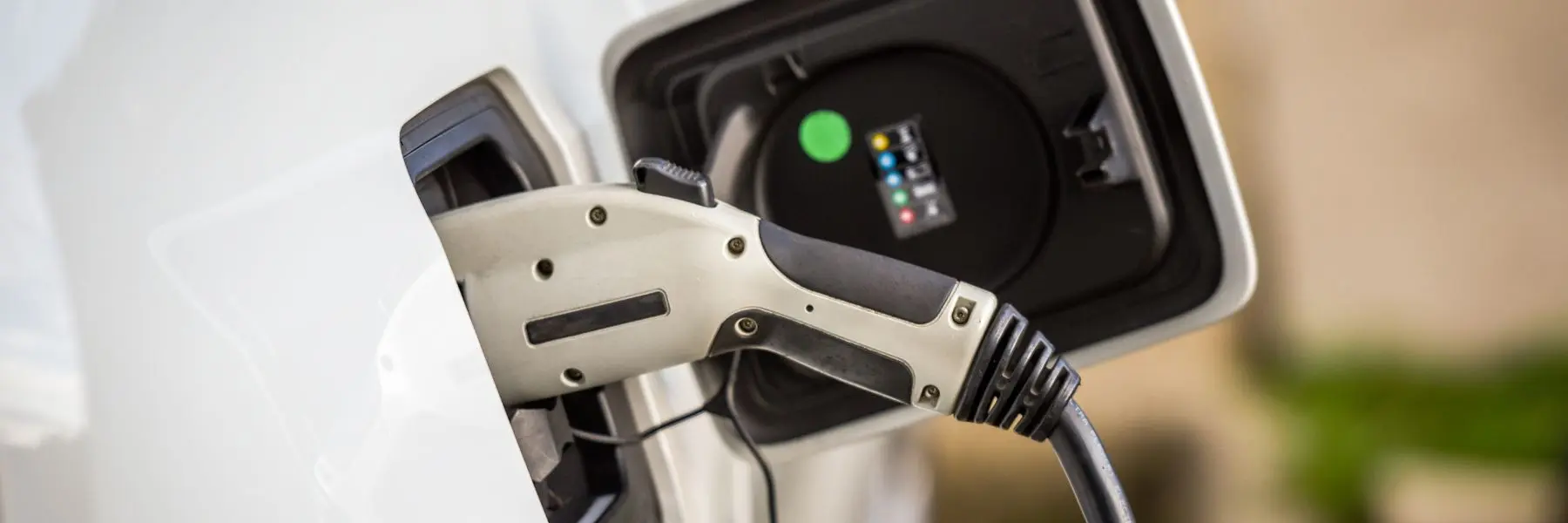
When considering what an EV home charging station offers, it’s essential to understand the different charging levels available for residential use.
Level 1 Charging:
- Utilizes standard 120-volt household outlets
- Provides 3-5 miles of range per hour
- Requires no additional electrical work
- Generally insufficient for daily driving needs
Level 2 Charging:
- Operates on 240-volt circuits (like electric dryers)
- Delivers 20-40 miles of range per hour
- Optimal balance of speed and system compatibility
- Most common choice for residential installations
The charging station market offers both hardwired and plug-in options. Hardwired stations connect directly to your electrical panel through dedicated circuits, while plug-in models use specially installed 240-volt outlets. Each configuration has advantages depending on your specific needs, electrical system setup, and future flexibility requirements.
What Key Features Should You Look For?
Modern EV home charging stations incorporate several important components that ensure safe, efficient operation:
Essential Components:
- Charging cables with universal J1772 connectors
- Ground fault circuit interrupters (GFCI) for electrical protection
- Temperature monitoring to prevent overheating
- Automatic shutoff capabilities for fault detection
Smart Charging Capabilities:
- Remote monitoring through smartphone applications
- Scheduled charging during off-peak electricity hours
- Energy consumption tracking and usage reports
- Integration with home energy management systems
- Coordination with solar panels and battery storage
These advanced features transform charging from a simple power connection into an intelligent system that optimizes energy use and provides valuable insights into your electric vehicle’s energy consumption patterns.
Why Should You Install a Home Charging Station?
Installing a dedicated charging station at your residence offers numerous advantages over relying solely on public charging infrastructure:
Convenience Benefits:
- No need to plan trips around charging locations
- Eliminate waiting for available public charging spots
- Wake up to a fully charged vehicle every morning
- Charge while you sleep or work from home
Financial Advantages:
- Lower residential electricity rates compared to public charging
- Special time-of-use utility rates for EV charging
- Reduced costs during off-peak hours
- Long-term savings on transportation fuel
Time Efficiency:
- Transform charging from active task to passive background activity
- No time spent waiting at public charging stations
- Flexible charging schedules that fit your routine
How Complex is EV Home Charging Station Installation?
Proper EV home charging station installation requires careful planning and professional electrical work to ensure safety and optimal performance. The installation process involves several critical steps:
Initial Assessment:
- Evaluate your home’s current electrical capacity
- Determine if electrical panel can support additional load
- Measure distance from panel to charging location
- Review existing electrical system configuration
Installation Requirements:
- Dedicated 240-volt circuits with appropriate amperage
- Common installations use 40-amp or 50-amp circuits
- Circuit capacity depends on station specifications
- Must comply with local electrical codes and safety standards
Professional electricians assess these factors during site evaluations, ensuring that installations meet local electrical codes and safety standards. Salem residents should verify that their chosen electrical contractor has experience with EV charging installations and understands Oregon’s specific electrical requirements.
What Electrical Requirements Must Be Met?
Understanding the electrical requirements for EV home charging station installation helps homeowners prepare for the installation process:
Circuit Specifications:
- Dedicated circuits that don’t share capacity with other appliances
- Ensures consistent charging performance
- Reduces risk of electrical overload conditions
- Proper breakers and safety devices for protection
Safety Considerations:
- Ground fault circuit interrupters for shock protection
- Proper grounding throughout the electrical system
- Temperature monitoring and automatic shutoff features
- Professional verification of all safety systems
Code Compliance:
- Installation must meet National Electrical Code standards
- Local Salem electrical code requirements
- Manufacturer specifications and guidelines
- Professional inspection and approval processes
Circuit protection represents a crucial safety consideration, protecting both the charging station and your home’s electrical system from potential faults or overload conditions.
How Do You Choose the Right Charging Station?
Selecting an appropriate charging station depends on several factors that align with your specific needs and future plans:
Vehicle Compatibility:
- Match charging capacity to your vehicle’s capabilities
- Consider connector types (J1772 vs Tesla)
- Evaluate maximum charging speeds your car can accept
- Plan for multiple vehicles if applicable
Usage Patterns:
- Daily driving distance requirements
- Available charging time at home
- Frequency of long-distance travel
- Backup charging needs during outages
Future Planning:
- Potential vehicle upgrades with larger batteries
- Additional electric vehicles in your household
- Home energy system expansions (solar, battery storage)
- Technological advancement compatibility
Weather resistance and durability are important considerations for outdoor installations. Look for stations with appropriate NEMA ratings for outdoor use and consider features like cord management systems that keep charging cables organized and protected from damage.
What Are the Total Costs Involved?
The total cost of implementing home charging includes both equipment and installation expenses, with several factors influencing the final investment:
Equipment Costs:
- Basic Level 2 stations: Several hundred dollars
- Advanced smart-enabled models: Higher investment
- Premium features increase overall cost
- Brand reputation affects pricing
Installation Expenses:
- Simple installations with nearby electrical panels cost less
- Complex installations requiring panel upgrades cost more
- Wire run distance affects labor and material costs
- Permit fees and inspection costs
Available Incentives:
- Utility company rebates for charging station installation
- Federal tax credits for residential EV charging equipment
- State and local incentive programs
- Salem area utility programs and discounts
Many utility companies and government agencies offer rebates or incentives for EV home charging station installation. These programs can significantly offset equipment and installation costs, making home charging more affordable.
How Can You Future-Proof Your Investment?
As electric vehicle technology continues evolving, considering future compatibility ensures your charging station investment remains valuable long-term:
Technology Considerations:
- Software update capabilities for enhanced features
- Manufacturer support history for older models
- Compatibility with emerging charging standards
- Integration potential with smart home systems
Capacity Planning:
- Higher-capacity stations accommodate future vehicle upgrades
- Charging speeds continue increasing with battery improvements
- Investment in robust infrastructure prevents future replacement costs
- Multiple vehicle charging capabilities for household growth
Smart Integration:
- Home energy management system compatibility
- Renewable energy optimization features
- Grid integration and demand response capabilities
- Advanced scheduling and load balancing features
Smart home integration capabilities are becoming increasingly important as home automation systems become more sophisticated. Charging stations that integrate with home energy management systems can optimize charging schedules based on electricity rates, renewable energy production, and overall home energy consumption patterns.
Is a Home Charging Station Right for You?
Understanding what an EV home charging station offers helps Salem residents make informed decisions about electric vehicle ownership and home charging infrastructure. The combination of convenience, cost savings, and improved charging experience makes home charging stations valuable investments for most electric vehicle owners.
Decision Factors:
- Daily driving patterns and charging needs
- Home electrical system capacity and upgrade requirements
- Available parking and installation locations
- Budget considerations including incentives and rebates
Working with qualified electrical professionals ensures safe, code-compliant installations that provide years of reliable service. Photo Electric brings extensive experience in residential electrical work and understands the unique requirements of EV charging installations in the Salem area.
The transition to electric vehicle ownership represents an exciting opportunity to reduce environmental impact while enjoying the benefits of advanced automotive technology. A properly installed home charging station serves as the foundation for a positive electric vehicle ownership experience, providing the reliable, convenient charging that makes electric vehicles practical for daily use.
Ready to Install Your EV Home Charging Station?
Make the switch to convenient home charging with Photo Electric. Our experienced Salem electricians handle everything from electrical assessments to professional installation, ensuring your EV charging station meets all safety codes and provides years of reliable service. Contact us today to schedule your consultation and take the next step toward effortless electric vehicle ownership.