
A tripping circuit breaker can be dangerous, but whether it is depends on why it’s tripping and how often it happens. A breaker that trips occasionally because a circuit was temporarily overloaded is doing exactly what it was designed to do. A breaker that trips repeatedly, won’t reset, or fails to trip when it should is a different situation entirely, and one that carries real risk. Salem homeowners often assume a tripping breaker is just an inconvenience, but the pattern behind the trips is what tells the real story.
Circuit breakers exist for one reason: to cut power to a circuit before the wiring overheats and causes a fire. When that protection works correctly, a tripping breaker is actually a safety feature. When the breaker itself is faulty, when the underlying problem is ignored, or when someone forces a breaker back on repeatedly without addressing the cause, the system that was designed to protect your home starts working against it.
Why Do Circuit Breakers Trip in the First Place?
Understanding why a breaker trips helps you assess how serious the situation is. Not every trip is an emergency, but none of them should be dismissed without a closer look. Our electricians at Photo Electric find that most tripping breakers in Salem homes fall into one of three categories.
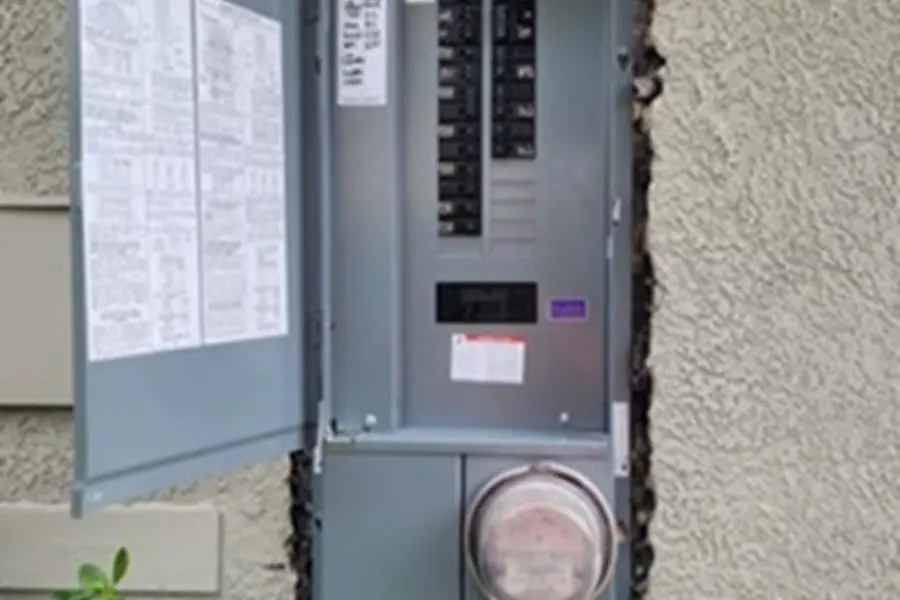
The three main reasons a circuit breaker trips are:
- Overloaded circuits: When too many devices draw power from a single circuit at the same time, the breaker trips to prevent the wiring from overheating. This is the most common cause and the least alarming, but it still signals that the circuit isn’t sized for the demands being placed on it.
- Short circuits: A short circuit occurs when a hot wire contacts a neutral wire, either inside an outlet, a fixture, an appliance, or within the wiring itself. Short circuits cause a sudden surge of current that trips the breaker immediately, and they can produce heat, sparking, or burning smells at the point of contact.
- Ground faults: A ground fault happens when a hot wire contacts a grounded surface, such as a metal outlet box or a wet floor. Ground faults are particularly dangerous in areas where water is present, which is why GFCI protection is required in kitchens, bathrooms, garages, and outdoor areas under Oregon electrical code.
Each of these causes warrants a different response, and a licensed electrician can identify which one you’re dealing with and what needs to be done to fix it safely.
When Does a Tripping Breaker Become a Serious Safety Hazard?
A breaker that trips once under an obvious load, like running a space heater and a hair dryer on the same circuit, is doing its job. The situations that cross into genuine safety territory look different, and Salem homeowners should know how to recognize them.
Here are the signs that a tripping breaker has moved beyond a minor inconvenience:
- The breaker trips repeatedly on the same circuit: If the same breaker trips over and over, even after you’ve reduced the load, the circuit has a problem that won’t resolve itself. Continuing to reset it without finding the cause is dangerous.
- The breaker won’t reset at all: A breaker that trips and refuses to reset, or that resets and immediately trips again, is either protecting you from an active fault or failing mechanically. Either way, it needs professional attention.
- You notice a burning smell when it trips: A burning odor near the panel or at an outlet on the tripped circuit indicates heat damage to wiring or connections that goes beyond a simple overload.
- The breaker feels hot after tripping: Some warmth at the panel is normal during operation, but a breaker that’s hot to the touch after tripping suggests it’s been working too hard for too long.
- The panel makes noise when the breaker trips: Buzzing, crackling, or popping sounds during or after a trip point to arcing inside the panel or along the circuit, which is a direct fire risk.
- Multiple breakers are tripping at once: When several breakers trip together without an obvious cause, the problem may be at the panel level rather than on any individual circuit.
Any of these situations calls for a licensed electrician, not another reset.
Is It Dangerous to Keep Resetting a Tripping Breaker?
Yes. Repeatedly resetting a breaker that keeps tripping is one of the more common ways homeowners unknowingly put their homes at risk. Every time a breaker trips, it’s responding to a condition on the circuit that it was designed to interrupt. Resetting it without addressing that condition puts the wiring back under the same stress that caused the trip in the first place.
Wiring that overheats repeatedly doesn’t announce the damage it’s accumulating. Insulation breaks down slowly and invisibly inside the walls. Connections loosen. Over time, a circuit that’s been repeatedly pushed past its limits can develop the conditions for an arc fault or an electrical fire without producing any obvious warning signs beforehand. The breaker is supposed to be the last line of defense. When you override it by resetting it repeatedly, that defense disappears.
Can a Faulty Breaker Be More Dangerous Than One That Trips Too Often?
Absolutely, and this is a point that surprises many homeowners. A breaker that trips too often is frustrating, but it’s still doing something. A breaker that fails to trip when it should is far more dangerous, because it allows a circuit to overheat without interrupting power. This type of failure is the reason Federal Pacific Electric Stab-Lok panels and Zinsco panels carry such serious safety concerns. The breakers in those panels have a documented history of failing to trip during overloads, meaning the circuit keeps running even when the wiring is dangerously hot.
If your Salem home has one of these panels, the danger isn’t that your breakers trip too much. It’s that they may not trip when your home needs them to. That’s a fundamentally different problem, and one that a licensed electrician needs to evaluate.
What Should You Do When a Breaker Trips in Your Salem Home?
The right response depends on what’s happening. A single trip on a circuit you know was overloaded is straightforward. Reduce the load, wait a moment, and reset the breaker once. If it holds, monitor the circuit going forward and consider whether the load needs to be redistributed across multiple circuits.
If the breaker trips again after resetting, don’t keep trying. Unplug everything on that circuit, check for any signs of burning or damage at outlets and fixtures, and call a licensed electrician to assess the situation. If you notice a burning smell, see scorch marks, or hear unusual sounds from the panel at any point, treat it as urgent and call immediately. Don’t use the circuit until it’s been inspected.
How Can Photo Electric Help Salem Homeowners with Tripping Breakers?
Photo Electric’s licensed electricians serve homeowners throughout Salem, Keizer, and the surrounding Willamette Valley. Whether you’re dealing with a single problem circuit or a pattern of tripping breakers that points to something bigger, our electricians can find the cause and fix it correctly.
Here’s what our electricians do for Salem homeowners dealing with breaker issues:
- Circuit diagnostics: Our electricians identify whether the cause of repeated tripping is an overloaded circuit, a short circuit, a ground fault, or a failing breaker, and explain exactly what they find.
- Wiring inspections: Our electricians assess the condition of the wiring on affected circuits to determine whether heat damage, loose connections, or deteriorating insulation has occurred.
- Breaker replacement: Our electricians replace faulty or failing breakers with properly rated equipment that restores the circuit’s protection and meets current Oregon electrical code.
- Panel evaluations: Our electricians evaluate your panel as a whole if tripping patterns suggest a capacity or safety issue at the panel level, including checking for known unsafe brands.
- Circuit additions: Our electricians can add dedicated circuits for high-demand areas of your home so that appliances and devices aren’t competing for capacity on circuits that weren’t designed to handle them.
A tripping breaker deserves a real answer, not another reset. If you’re dealing with a recurring problem in your Salem home, contact Photo Electric to have our licensed electricians take a look and give you a straight assessment of what’s going on.