The difference between a 100-amp and 200-amp panel is capacity: how much electrical power your home can draw at one time before the system is overwhelmed. A 200-amp panel can handle twice the electrical load of a 100-amp panel, which matters enormously in a modern household running central air conditioning, electric appliances, EV chargers, and home offices simultaneously. For many Salem homeowners, the question isn’t really about the technical difference between the two. It’s about whether their current panel has enough capacity to safely power the way they actually live.
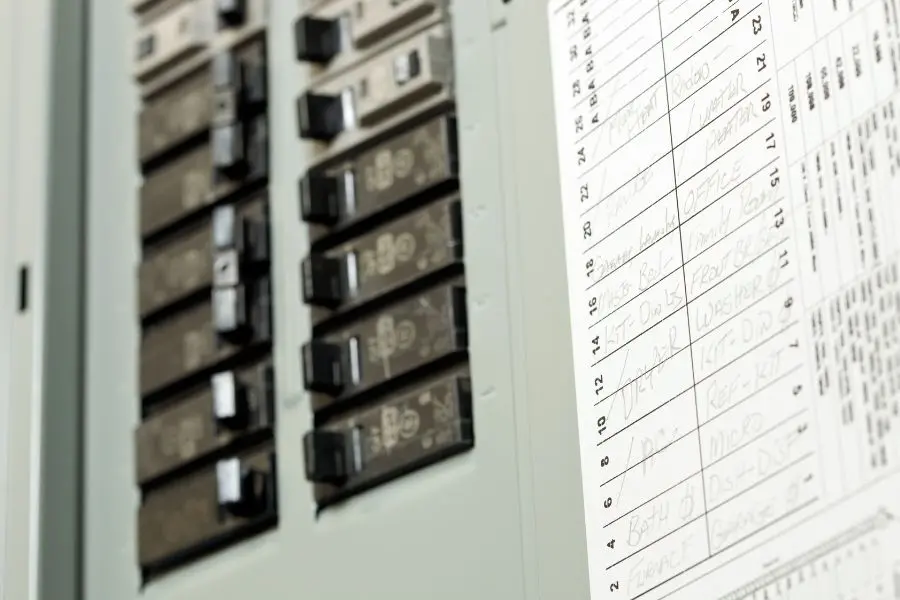
A 100-amp panel was the standard for decades and remains adequate for smaller homes with modest electrical demands. The problem is that most homes have grown in their power consumption well beyond what those older systems were designed to handle. When a panel is consistently pushed near its capacity limit, it doesn’t just create inconvenience. It creates heat, wear, and risk that accumulates over time in ways that aren’t always visible until something fails.
How Does Electrical Panel Capacity Actually Work?
Panel capacity is measured in amps, which represents the maximum amount of electrical current the panel can safely receive from the utility and distribute throughout your home at any given time. Think of it like water pressure coming into a building. A larger pipe can deliver more water to more places simultaneously without losing pressure. A panel that’s too small for your home’s demands is like a pipe that’s too narrow, and the strain shows up throughout the system.
Every appliance, fixture, and device in your home draws a certain amount of current when it operates. Your panel has to be able to supply all of those demands simultaneously without exceeding its rated capacity. When total demand approaches or exceeds the panel’s limit, breakers trip, circuits underperform, and the panel itself runs hotter than it should. Over time, that stress shortens the life of the panel and increases the risk of failure.
What Can a 100-Amp Panel Safely Handle?
A 100-amp panel is sufficient for smaller homes with gas appliances, modest heating and cooling systems, and limited high-draw devices. It was a reasonable standard for the electrical demands of mid-twentieth century households, and it still works fine in the right context. The key is whether your home’s actual usage fits within those limits.
A 100-amp service generally supports:
- Basic lighting and standard outlets: Everyday lighting loads and general-purpose outlets throughout the home draw relatively little current and are well within the capacity of a 100-amp panel.
- Gas appliances: Homes where the range, dryer, and water heater run on gas rather than electricity place far less demand on the electrical panel, making 100 amps more viable.
- Smaller homes under a certain square footage: A compact home with limited circuits and no high-draw electrical systems may operate comfortably within 100-amp service.
- Older construction without modern additions: If the home hasn’t had major additions, updated HVAC systems, or new high-demand appliances added since it was built, 100 amps may still be adequate.
The challenge is that most Salem homes have evolved well beyond these conditions, even if the panel hasn’t been updated to match.
What Does a 200-Amp Panel Allow That a 100-Amp Panel Cannot?
A 200-amp panel opens up the capacity for the electrical demands that define modern home life. It supports more circuits, more simultaneous loads, and the kind of high-draw systems that a 100-amp panel simply can’t handle safely. For Salem homeowners considering any significant upgrade or addition to their home, 200-amp service is almost always the right baseline.
A 200-amp panel is necessary or strongly recommended when your home includes:
- Central air conditioning: Central AC systems draw significant current, especially on startup, and place consistent demand on the panel during hot Willamette Valley summers. Running central AC on an already-strained 100-amp panel creates real stress on the system.
- Electric vehicle charging: A Level 2 EV charger requires a dedicated circuit that draws substantial current for hours at a time. A 100-amp panel often can’t accommodate this load alongside the rest of the home’s demands without risking chronic overloads.
- Electric ranges, ovens, or dryers: Electric cooking and laundry appliances are among the highest-draw devices in any home. Homes with multiple electric appliances almost always need 200-amp service to run them safely alongside other loads.
- Hot tubs or pool equipment: These systems require dedicated high-draw circuits that put significant strain on a smaller panel.
- Home additions or finished basements: Adding living space adds circuits, which adds load. A panel upgrade is often required before or during a significant addition to ensure the system can support the expanded home.
- Solar panel systems: Homes adding rooftop solar in the Salem area typically need a panel that can handle the integration of a solar inverter and any battery storage system alongside existing loads.
If your home has any of these systems, or if you’re planning to add them, a 200-amp panel isn’t a luxury upgrade. It’s a practical necessity.
How Do You Know If Your Current Panel Is Undersized?
An undersized panel doesn’t always announce itself dramatically. Some signs are obvious, but others are easy to attribute to other causes without looking at the bigger picture. Our electricians at Photo Electric find that many Salem homeowners have been managing the symptoms of an undersized panel for years without connecting them to the panel itself.
Watch for these signs that your panel may not be keeping up with your home’s demands:
- Breakers that trip regularly under normal use: If circuits trip frequently even when you’re not running anything unusual, the panel may be struggling to distribute adequate capacity across your home’s loads.
- Lights that dim when large appliances start: Dimming throughout the home when the air conditioner or dryer kicks on is a classic sign of a panel that’s being pushed near its capacity limit.
- You’ve added major appliances or systems since the panel was installed: If the panel hasn’t been upgraded since the home was built but the home’s electrical demands have grown significantly, the math may no longer work in your favor.
- You can’t add circuits without the panel being full: A panel with no available breaker slots has no room to grow, which limits your ability to add circuits safely and indicates it may be time to upgrade.
- Your electrician recommends it: If a licensed electrician performing any work on your home advises a panel upgrade, that recommendation deserves serious consideration.
A load calculation performed by a licensed electrician is the definitive way to determine whether your current panel is adequate for your home’s actual demands.
Is a 200-Amp Panel Always Enough, or Do Some Homes Need More?
For the vast majority of Salem single-family homes, 200-amp service is sufficient and represents the current standard for new construction and upgrades. However, very large homes, homes with extensive electric vehicle infrastructure, homes with whole-home electrification systems, or properties with significant outbuildings may benefit from larger service or subpanel configurations.
If you’re planning a major electrification project, adding a workshop or detached garage with its own electrical demands, or building an accessory dwelling unit on your property, your electrician should assess whether 200-amp service covers the combined load or whether additional capacity is warranted. Getting that assessment done before the project starts prevents having to revisit the panel again shortly after an upgrade.
How Can Photo Electric Help Salem Homeowners Choose the Right Panel?
Photo Electric’s licensed electricians serve homeowners throughout Salem, Keizer, and the surrounding Willamette Valley with honest assessments and panel upgrades that match your home’s actual needs. Our electricians don’t recommend upgrades you don’t need, and they don’t undersell capacity that your home genuinely requires.
Here’s what our electricians provide for Salem homeowners evaluating their panel:
- Load calculations: Our electricians assess your home’s actual electrical demands to determine whether your current panel is adequate or whether an upgrade is warranted, and what capacity makes sense for your situation.
- Panel upgrade installations: Our electricians install properly rated panels with work that meets Oregon’s current electrical code requirements, including all required permits and inspections through the City of Salem.
- Circuit additions: Our electricians add dedicated circuits for high-draw systems like EV chargers, electric appliances, and HVAC equipment as part of or alongside a panel upgrade.
- Subpanel installations: Our electricians can install subpanels to serve garages, workshops, additions, or accessory dwelling units where running all circuits back to the main panel isn’t practical.
- Future-proofing assessments: Our electricians help you think through planned additions, appliance upgrades, or electrification projects so your new panel is sized appropriately for where your home is headed, not just where it is today.
If you’re not sure whether your Salem home needs a panel upgrade or which capacity is right for your situation, contact Photo Electric to schedule a consultation with our licensed electricians and get a straight answer based on your home’s actual needs.