Your home’s electrical system works quietly behind the walls, but when problems develop, it sends warning signals. Recognizing the signs of electrical issues in the home can prevent dangerous situations, costly repairs, and even electrical fires. For Salem, Oregon homeowners, understanding these warning signs is essential for keeping your family safe and your property protected.
Contact us today to schedule an electrical safety evaluation and ensure your home’s electrical system is safe, reliable, and up to code.
8 Signs of Electrical Issues in the Home You Should Never Ignore
Electrical problems don’t always announce themselves with sparks and smoke. Often, the signs of electrical issues in the home are subtle at first, gradually becoming more obvious over time. Whether you live in a historic Salem neighborhood with older wiring or a newer home in South Salem, knowing what to watch for helps you catch problems early.
1. Flickering or Dimming Lights
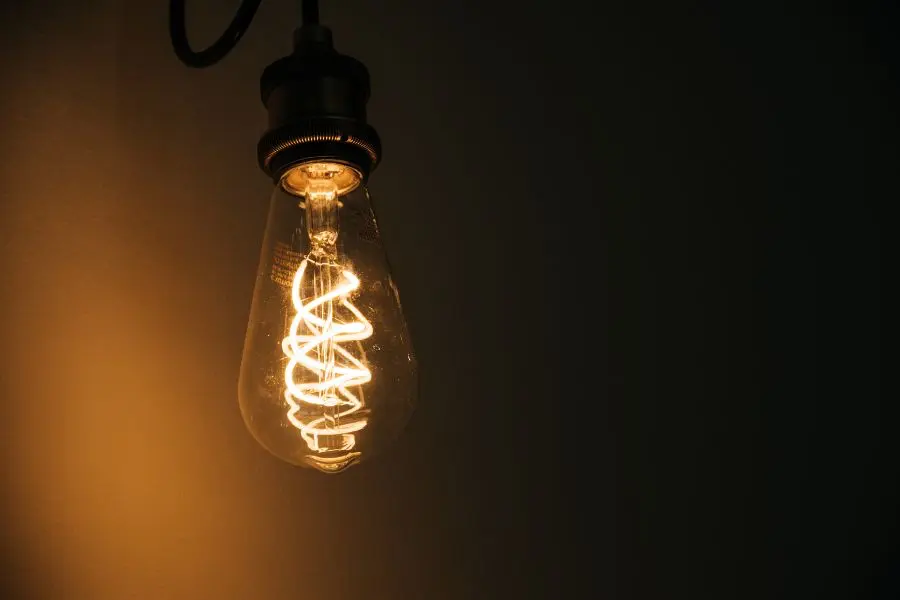
One of the most common signs of electrical issues in the home is flickering or dimming lights. While occasional flickering during a storm is normal, frequent light dimming—especially when you turn on appliances—indicates your electrical system is struggling to handle the load.
What to watch for:
- Lights dim when appliances start: If your lights dim when the refrigerator, microwave, or air conditioner kicks on, your circuit may be overloaded or your panel may be undersized.
- Consistent flickering in one area: Flickering limited to one room often points to a loose connection, faulty switch, or problem with that specific circuit.
- Whole-house dimming: When lights throughout your home dim simultaneously, this suggests issues with your main electrical service or connections at the panel.
- Flickering LED bulbs: While LEDs can flicker due to incompatible dimmers, persistent flickering may signal voltage fluctuations or loose wiring connections.
Dimming lights are more than an annoyance—they’re signs of electrical issues in the home that can damage your electronics and indicate fire hazards.
2. Frequently Tripping Breakers or Blown Fuses
Circuit breakers that trip regularly are clear signs of electrical issues in the home. While breakers are designed to trip as a safety measure, frequent tripping indicates underlying problems that need attention.
Common causes include:
- Overloaded circuits: Running too many devices on one circuit forces the breaker to trip repeatedly to prevent overheating.
- Short circuits: Damaged wiring or faulty appliances can cause dangerous short circuits that immediately trip breakers.
- Old electrical panel: Outdated panels in older Salem homes may not provide adequate capacity for modern electrical demands.
- Faulty breaker: Sometimes the breaker itself wears out and needs replacement.
If you’re constantly resetting breakers, don’t ignore these signs of electrical issues in the home—they require professional diagnosis.
3. Burning Smell or Discolored Outlets
A burning smell near outlets, switches, or your electrical panel is one of the most serious signs of electrical issues in the home. This odor indicates overheating wires or components that could lead to electrical fire.
Warning signs to never ignore:
- Acrid or fishy smell: A burning plastic or fish-like odor near electrical components means wiring insulation is melting.
- Discolored or warm outlets: Outlets with brown or black marks, or that feel warm to the touch, show dangerous overheating.
- Smoke from outlets: Any visible smoke requires immediate action—unplug devices, turn off the breaker, and call an electrician.
- Melted switch plates: Warped or melted plastic around switches indicates severe overheating behind the wall.
These signs of electrical issues in the home demand immediate attention. Don’t use affected outlets or circuits until a licensed Salem electrician inspects them.
4. Buzzing, Sizzling, or Crackling Sounds
Your electrical system should operate silently. Unusual sounds are definite signs of electrical issues in the home that indicate loose connections, arcing, or overloaded circuits.
Listen for these warning sounds:
- Buzzing outlets or switches: A buzzing sound means electricity is arcing between connections, creating heat and fire risk.
- Crackling in the walls: Crackling or popping sounds behind walls suggest wiring problems that require immediate investigation.
- Humming electrical panel: While transformers naturally hum slightly, loud buzzing from your panel indicates loose connections or a failing breaker.
- Sizzling when using outlets: A sizzling sound when plugging in or unplugging devices points to damaged receptacles or loose wiring.
Don’t dismiss these sounds as normal—they’re signs of electrical issues in the home that can quickly escalate.
5. Outlets That Don’t Work or Spark
Non-functioning outlets or outlets that spark when you plug something in are obvious signs of electrical issues in the home. These problems indicate worn-out receptacles, loose connections, or circuit faults.
Problems to watch for:
- Dead outlets: Outlets that suddenly stop working may have tripped GFCI protection, loose connections, or circuit damage.
- Sparking when plugging in: While a small, brief spark can be normal, large sparks or repeated sparking indicates a serious problem.
- Loose outlets: Outlets that don’t hold plugs firmly have worn internal connections that can cause arcing and overheating.
- Two-prong outlets: Ungrounded outlets in older Salem homes are outdated signs of electrical issues in the home that don’t meet current safety standards.
Faulty outlets pose shock and fire hazards. Replace problematic outlets promptly to maintain electrical safety.
6. Aluminum Wiring or Outdated Electrical Systems
The presence of aluminum wiring or an outdated electrical system are signs of electrical issues in the home that may not be immediately dangerous but create long-term risks. Many older homes in Salem’s historic districts still have electrical systems from the 1960s-1980s.
Red flags in older homes:
- Aluminum wiring: Common in homes built between 1965-1973, aluminum wiring is more prone to overheating and fire than modern copper wiring.
- Knob-and-tube wiring: This outdated system found in pre-1950s homes lacks grounding and can’t handle modern electrical loads.
- 60-amp or 100-amp service: Most modern homes need 200-amp service to safely power today’s appliances and electronics.
- Two-prong outlets throughout: The absence of grounded three-prong outlets indicates an outdated, potentially unsafe electrical system.
If your Salem home has these signs of electrical issues in the home, consider scheduling an electrical inspection to assess upgrade needs.
7. Overreliance on Extension Cords and Power Strips
While not a direct electrical malfunction, constantly using extension cords and power strips are signs of electrical issues in the home—specifically, that you don’t have enough outlets for your needs.
Why this matters:
- Fire hazard: Overloaded power strips and daisy-chained extension cords create dangerous fire risks.
- Insufficient outlets: If you’re always hunting for places to plug in devices, your home needs additional circuits and outlets.
- Tripping hazards: Extension cords running across floors pose safety risks beyond electrical concerns.
- Overtaxed circuits: Multiple devices on power strips can overload circuits even when spread across several outlets on the same circuit.
These signs of electrical issues in the home indicate your electrical system hasn’t kept pace with your needs. Adding outlets and circuits provides safer, more convenient power access.
8. Shocking Experiences
Getting shocked when touching appliances, light switches, or outlets are serious signs of electrical issues in the home. While static electricity causes harmless tiny shocks, painful shocks from electrical components indicate dangerous grounding problems.
Types of electrical shocks:
- Shocks from appliances: If you feel a shock touching your refrigerator, washing machine, or other appliances, there’s likely a grounding fault.
- Tingling from switches: A tingling sensation when operating light switches indicates improper grounding or a short circuit.
- Shocks in wet areas: Bathrooms and kitchens in Salem homes need GFCI protection to prevent dangerous shocks near water sources.
- Increasing shock intensity: If shocks become more frequent or intense, the electrical problem is worsening and needs immediate attention.
Never ignore electrical shocks—these signs of electrical issues in the home pose serious injury risks and indicate potentially dangerous wiring faults.
What Causes These Electrical Issues?
Understanding what causes signs of electrical issues in the home helps you prevent future problems and protect your property. Here are the most common underlying causes:
- Aging electrical infrastructure: Electrical systems deteriorate over time as connections loosen, insulation breaks down, and components wear out. Many Salem homes built 30-50 years ago show signs of electrical issues in the home due to original systems reaching the end of their service life.
- Increased electrical demand: Modern homes use far more electricity than older homes were designed to handle. When you run multiple computers, large TVs, kitchen appliances, and climate control systems simultaneously, outdated panels and circuits can’t keep up.
- Moisture and water intrusion: Salem’s wet climate causes moisture infiltration in outdoor outlets, crawl spaces, and poorly weatherproofed areas. This moisture creates ground faults and corrodes connections, leading to signs of electrical issues in the home.
- Poor installation or DIY repairs: Improper wire connections, incorrect breaker sizing, and code violations from unqualified work create failures that may not appear for months or years.
- Overloaded circuits: Plugging too many devices into outlets on the same circuit forces the system to work beyond its capacity, creating heat and triggering safety mechanisms.
- Rodent or pest damage: Rodents chewing through wiring insulation in attics, crawl spaces, and walls create short circuits and fire hazards that manifest as signs of electrical issues in the home.
- Corrosion and oxidation: Electrical connections naturally corrode over time, especially in humid environments, increasing resistance and causing overheating at connection points.
- Incompatible components: Mixing old and new electrical components without proper integration—such as installing modern AFCI breakers in panels designed for older technology—can create compatibility problems.
Identifying the root cause of signs of electrical issues in the home allows a qualified Salem electrician to implement lasting solutions rather than temporary fixes.
The Risks of Ignoring Electrical Warning Signs
Dismissing signs of electrical issues in the home can have serious and costly consequences. Here’s what’s at stake when you ignore electrical warning signs:
- Electrical fires: Thousands of home fires start each year from electrical problems, resulting in injuries, deaths, and millions in property damage. Many of these fires began with signs of electrical issues in the home that homeowners ignored.
- Damaged electronics and appliances: Voltage fluctuations, power surges, and poor grounding destroy computers, televisions, and other sensitive equipment. The cost of replacing damaged electronics often exceeds the cost of fixing the underlying electrical issue.
- Electric shock and electrocution: Faulty wiring and grounding problems create serious injury risks for family members, especially children who may touch outlets or switches. Electrical shocks can cause severe burns, cardiac arrest, or death.
- Decreased property value: Unaddressed signs of electrical issues in the home lower your property’s market value and create problems during home inspections when selling.
- Insurance complications: Some insurers won’t cover fire damage if they determine you ignored obvious electrical warning signs. Outdated wiring systems can even make it difficult to obtain homeowners insurance.
- Legal liability: If someone is injured due to electrical problems in your home, you could face lawsuits and financial consequences, especially if you knew about warning signs but failed to address them.
- Higher repair costs: Small electrical problems become major, expensive repairs when left unattended. Early intervention saves money compared to emergency repairs after system failure.
- Carbon monoxide risks: Electrical malfunctions in heating systems or appliances can cause carbon monoxide leaks, creating a silent and deadly threat to your family.
Don’t gamble with your family’s safety or your financial security—addressing signs of electrical issues in the home promptly prevents these serious consequences and protects what matters most.
When to Schedule an Electrical Inspection
Professional electrical inspections help identify signs of electrical issues in the home before they become emergencies. Schedule an inspection in these situations:
- Buying or selling a home: Pre-purchase inspections reveal hidden signs of electrical issues in the home, while pre-sale inspections help you address problems that could derail real estate transactions.
- Home is over 25 years old: Older Salem homes need periodic inspections to ensure electrical systems remain safe and functional as components age and deteriorate.
- Planning major renovations: Remodeling projects provide an opportunity to upgrade electrical systems, add circuits, and address long-standing signs of electrical issues in the home.
- After severe weather events: Storms, flooding, or lightning strikes can damage electrical systems in ways that aren’t immediately visible but create safety hazards.
- Purchasing older appliances or adding new ones: Major appliance additions may require dedicated circuits, and inspections ensure your electrical system can handle the increased load.
- Noticing multiple warning signs: If you’re experiencing several signs of electrical issues in the home simultaneously, a comprehensive inspection identifies all problems, not just the obvious ones.
- Installing EV charger or hot tub: High-power additions require proper electrical capacity and dedicated circuits that often necessitate panel upgrades or system modifications.
- After DIY electrical work: Even minor electrical repairs should be inspected to ensure they meet code requirements and don’t create hidden safety hazards.
- For peace of mind: Even without specific concerns, periodic inspections every 3-5 years ensure your electrical system meets current safety standards and adequately serves your needs.
Regular electrical inspections catch signs of electrical issues in the home early, prevent costly emergencies, and give you confidence that your Salem home’s electrical system is safe and reliable.
Electrical Upgrades That Improve Safety
Addressing signs of electrical issues in the home often involves strategic upgrades that enhance both safety and functionality. Here are the most effective electrical improvements for Salem homeowners:
- Electrical panel upgrade: Replace outdated 60-amp or 100-amp panels with modern 200-amp service to accommodate today’s electrical demands and eliminate frequent breaker trips. Panel upgrades also provide space for additional circuits and modern safety breakers.
- Whole-home surge protection: Install surge protection at your main panel to guard against power surges that damage electronics and appliances. This protection is especially valuable in Salem, where storms can cause voltage fluctuations.
- GFCI outlet installation: Add Ground Fault Circuit Interrupter outlets in bathrooms, kitchens, garages, and outdoor areas to prevent electrical shocks near water sources. GFCI protection is required by code and addresses common signs of electrical issues in the home.
- AFCI breaker upgrades: Install Arc Fault Circuit Interrupter breakers to detect and prevent dangerous electrical arcing that causes fires. Modern codes require AFCI protection in bedrooms and most living areas.
- Additional circuits and outlets: Add dedicated circuits for major appliances and install more outlets to eliminate overloaded circuits and dangerous extension cord use. Strategic outlet placement reduces signs of electrical issues in the home while improving convenience.
- Complete home rewiring: Replace aluminum wiring, knob-and-tube systems, or deteriorated wiring with modern copper wiring and proper insulation. While rewiring is a significant investment, it eliminates fire hazards and provides decades of safe service.
- Grounding system improvements: Upgrade two-prong outlets to grounded three-prong receptacles and ensure your entire electrical system has proper grounding protection. Adequate grounding prevents shocks and protects sensitive electronics.
- Dedicated circuits for high-draw appliances: Install separate circuits for refrigerators, microwaves, electric ranges, and other major appliances to prevent overloading. Dedicated circuits eliminate many common signs of electrical issues in the home.
These electrical upgrades not only resolve existing signs of electrical issues in the home but also prevent future problems, increase your property value, and provide peace of mind that your Salem home’s electrical system is safe and code-compliant.
Take Action on Electrical Warning Signs
The signs of electrical issues in the home are your early warning system, alerting you to problems before they become emergencies. Whether you’re experiencing flickering lights, tripping breakers, unusual sounds, or any other warning sign, prompt attention protects your home and family.
Don’t wait until minor electrical issues become major problems. Small fixes today prevent costly repairs and dangerous situations tomorrow. Your home’s electrical system is too important to ignore—it powers everything you do and keeping it safe and functional should be a top priority.
Noticed signs of electrical issues in your home? Our licensed electricians provide thorough inspections and expert repairs for Salem homeowners. Contact us today to schedule an electrical safety evaluation and ensure your home’s electrical system is safe, reliable, and up to code.