
If you’ve asked yourself “why does my breaker keep tripping?” you’re not alone. This frustrating electrical issue affects countless homeowners in Salem, Oregon, and throughout the Willamette Valley. A circuit breaker that repeatedly trips is more than just an inconvenience—it’s your home’s electrical system telling you something needs attention.
Why Does My Breaker Keep Tripping?
When your breaker keeps tripping, it’s actually doing its job. Circuit breakers are designed as safety devices that automatically shut off electrical power when they detect a problem. Think of them as the guardians of your home’s electrical system, preventing potential fires, equipment damage, and electrical hazards.
However, when the same breaker trips repeatedly, it signals an underlying issue that requires investigation. Understanding why your breaker keeps tripping is the first step toward finding a lasting solution.
The Most Common Reasons Your Breaker Keeps Tripping
Circuit Overload
The number one reason breakers trip is circuit overload. This happens when you’re drawing more electrical current through a circuit than it’s designed to handle. Many older homes in Salem weren’t built for today’s electrical demands—we’re running more devices, appliances, and electronics than ever before.
You might experience an overload when running multiple high-power appliances on the same circuit simultaneously. For example, plugging a space heater and a hair dryer into outlets on the same circuit could easily exceed the circuit’s capacity, causing the breaker to trip.
Short Circuit
A short circuit is a more serious problem that occurs when a hot wire touches a neutral wire or comes into contact with another hot wire. This creates a sudden surge of current that immediately trips your breaker. Short circuits can result from damaged wiring, loose connections, or faulty appliances. You might notice burn marks on your outlet or detect a burning smell when a short circuit occurs.
Ground Fault
Similar to a short circuit, a ground fault happens when a hot wire touches a ground wire or the metal box that houses your electrical wiring. Ground faults are particularly dangerous in areas with moisture, which is why bathrooms, kitchens, and outdoor outlets require special GFSI (Ground Fault Circuit Interrupter) protection.
Faulty Breaker
Sometimes the breaker itself is the culprit. Circuit breakers can wear out over time, especially if they’ve tripped frequently or are simply old. A faulty breaker might trip even when there’s no overload or electrical fault present. If your home has an older electrical panel, this becomes increasingly likely.
Arc Fault
Arc faults occur when electricity jumps between wires due to damaged or deteriorating insulation. Modern electrical codes require Arc Fault Circuit Interrupter (AFCI) breakers in many areas of your home. These sensitive devices can trip when they detect dangerous arcing, which might be caused by damaged cords, loose connections, or aged wiring.
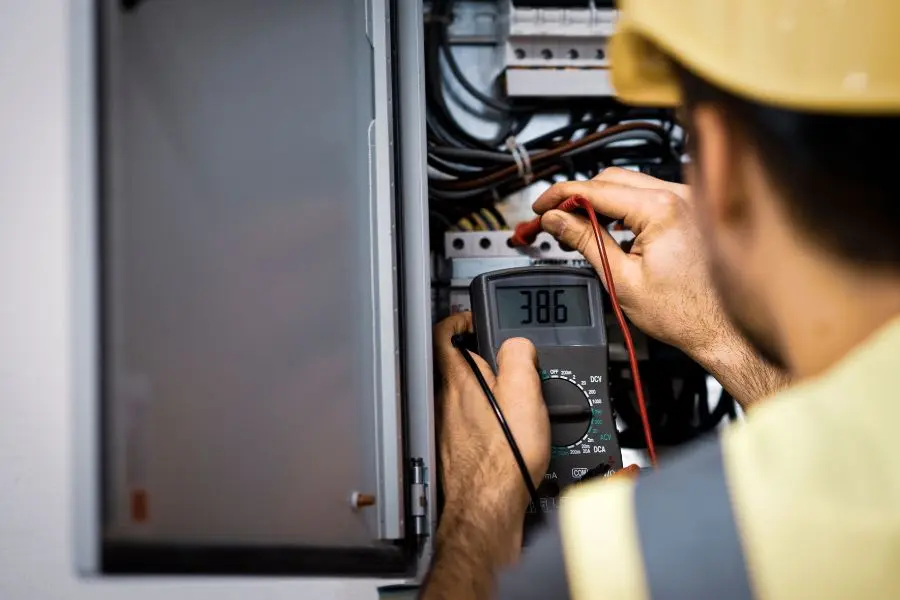
How to Identify Why Your Breaker Keeps Tripping
Identifying why your breaker keeps tripping requires systematic observation and testing. Here are the key steps to diagnose the problem:
- Track the pattern: Pay attention to when the breaker trips—does it happen when you use a specific appliance, during wet weather, or at certain times of day? These patterns provide valuable clues about why your breaker keeps tripping.
- Identify the affected circuit: Note which breaker is tripping and what outlets or appliances are connected to that circuit. Understanding what’s on the circuit helps narrow down the cause.
- Unplug all devices: Disconnect everything from the outlets on the affected circuit, then reset the breaker. If it stays on, the problem is likely a plugged-in device rather than the wiring.
- Test devices one by one: Plug devices back in individually and use them to see if the breaker trips. If it trips when you plug in or turn on a specific appliance, you’ve found your culprit.
- Check for visible damage: Look for burn marks on outlets, discolored switch plates, frayed cords, or damaged plugs. These signs often indicate short circuits or ground faults.
- Reset and monitor: If the breaker stays on with nothing plugged in, try using the circuit normally for a day. Intermittent tripping suggests a wiring problem or faulty breaker.
- Note immediate tripping: If the breaker trips instantly after resetting, even with nothing plugged in, this indicates a serious wiring issue that requires professional help.
If you can’t identify why your breaker keeps tripping after these steps, or if you notice any signs of electrical damage, it’s time to call a licensed Salem electrician for a professional diagnosis.
When to Call a Salem Electrician
While some breaker issues are easy to troubleshoot yourself, many situations require professional expertise to safely diagnose why your breaker keeps tripping. Contact a licensed electrician if you experience any of these warning signs:
- Immediate tripping after reset: If the breaker trips instantly when you flip it back on, even with nothing plugged in, this indicates a serious wiring fault that needs professional attention.
- Burning smell or smoke: Any burning odor near outlets, switches, or your electrical panel means you should call an electrician immediately and avoid using that circuit.
- Hot breaker or panel: If the breaker feels hot to the touch or the panel is warm, this signals dangerous overheating that could lead to electrical fire.
- Discolored outlets or switches: Burn marks, melted plastic, or black discoloration around outlets indicate arcing or overheating and require immediate professional inspection.
- Multiple breakers tripping: When several breakers trip frequently or your main breaker keeps tripping, your electrical panel may be undersized for your home’s power needs.
- GFCI or AFCI breakers tripping: These specialized breakers detect ground faults and arc faults, and repeated tripping often indicates hidden wiring problems that require expert diagnosis.
- Unknown cause: If you can’t identify why your breaker keeps tripping after basic troubleshooting, a professional electrician has the tools and expertise to find the problem.
- Old home or outdated wiring: Salem homes built before 1990 may have outdated electrical systems that create safety hazards and need professional evaluation.
Don’t take chances with electrical issues—a licensed Salem electrician can quickly diagnose why your breaker keeps tripping and provide safe, lasting solutions to protect your home and family.
How to Prevent Future Breaker Trips
Once you’ve resolved why your breaker keeps tripping, taking preventive steps ensures your electrical system stays safe and reliable. Here are the best ways to prevent your breaker from tripping in the future:
- Distribute electrical loads: Avoid plugging multiple high-wattage appliances into outlets on the same circuit. Spread your electrical usage across different circuits to prevent overloading.
- Identify high-draw appliances: Know which devices use the most power—space heaters, hair dryers, microwaves, and power tools—and avoid running them simultaneously on the same circuit.
- Use dedicated circuits: Major appliances like refrigerators, washing machines, and electric dryers should have their own dedicated circuits to prevent your breaker from tripping.
- Upgrade your electrical panel: If your breaker keeps tripping frequently, your panel may be undersized for modern electrical demands. Upgrading to 200-amp service provides adequate capacity for today’s homes.
- Schedule regular inspections: Have a licensed Salem electrician inspect your electrical system every 3-5 years, especially in older homes where wiring may be deteriorating.
- Replace damaged cords and appliances: Frayed wires, broken plugs, and malfunctioning devices are common reasons your breaker keeps tripping. Replace worn equipment promptly.
- Install GFCI and AFCI protection: These specialized breakers prevent dangerous ground faults and arc faults, protecting your home from electrical fires while meeting current electrical codes.
- Address moisture issues: Salem’s wet climate can cause ground faults in outdoor outlets, crawl spaces, and basements. Ensure proper weatherproofing and drainage around electrical components.
Taking these preventive measures protects your home from electrical hazards and keeps your breaker from tripping, saving you frustration and costly repairs down the road.
Is It Time for an Electrical Panel Upgrade?
If your breaker keeps tripping frequently across multiple circuits, your electrical panel might be undersized for your needs. Most modern homes require at least 200-amp service, but many older Salem homes still operate on 100-amp or even 60-amp panels.
Signs you might need an electrical panel upgrade include frequent tripping, dimming lights when appliances turn on, buzzing sounds from the panel, or a burning smell near the electrical box. An upgraded panel provides more capacity, better safety features, and room for future expansion.
The Bottom Line
When your breaker keeps tripping, it’s important to take it seriously. While occasional trips might simply indicate an overloaded circuit, repeated tripping suggests a problem that needs attention. Some issues you can resolve yourself by redistributing electrical loads, but many situations require professional evaluation.
Don’t ignore a breaker that keeps tripping—it’s your home’s warning system telling you something isn’t right. Whether you’re dealing with an overloaded circuit, faulty wiring, or an outdated electrical panel, addressing the problem promptly protects your home and family from electrical hazards.
Need help diagnosing why your breaker keeps tripping? Our licensed electricians serve Salem and surrounding areas with fast, reliable electrical service. Contact us today for a thorough electrical inspection and expert solutions that keep your home safe and powered up.